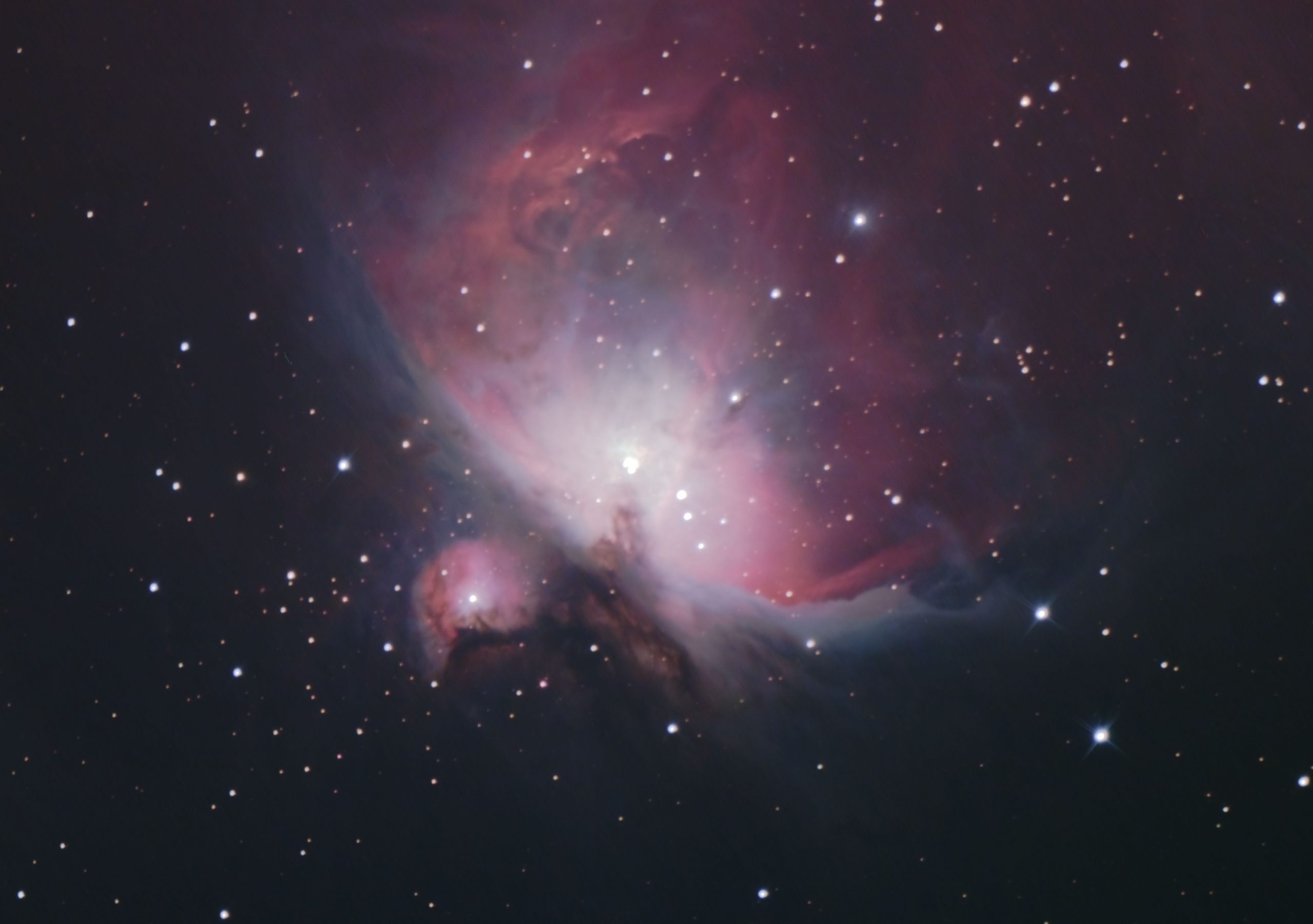
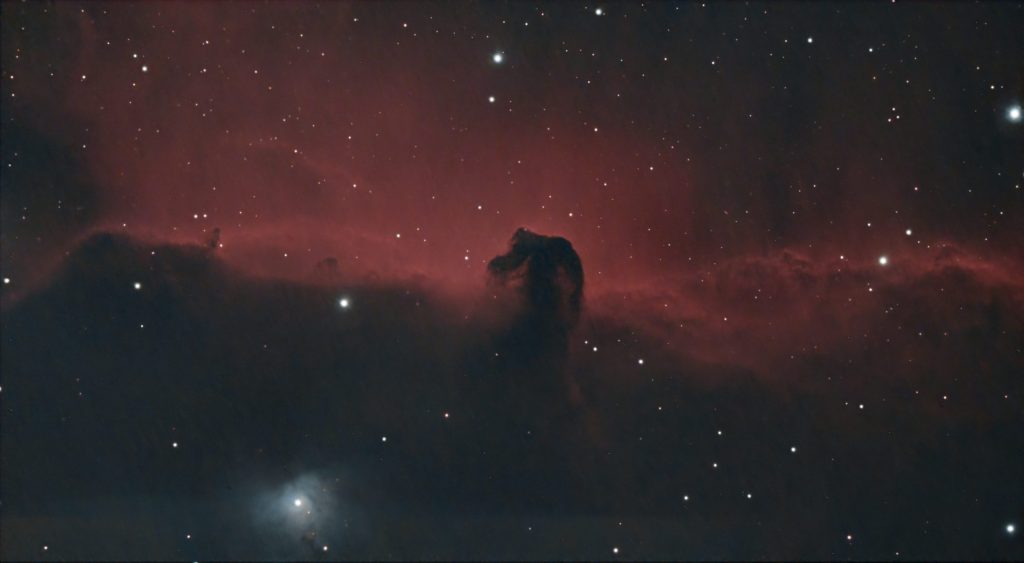
The Horsehead Nebula is one of the most identifiable nebulae in the sky. It appears in the southern portion of a dense dark dust cloud catalogued as Lynds 1630 (LND 1630).
The swirling clouds of gas and dark dust that form the nebula have the shape of a horse’s head, giving the nebula its name. The dark dust clouds are made visible by the pinkish glow of hydrogen gas located behind the nebula.
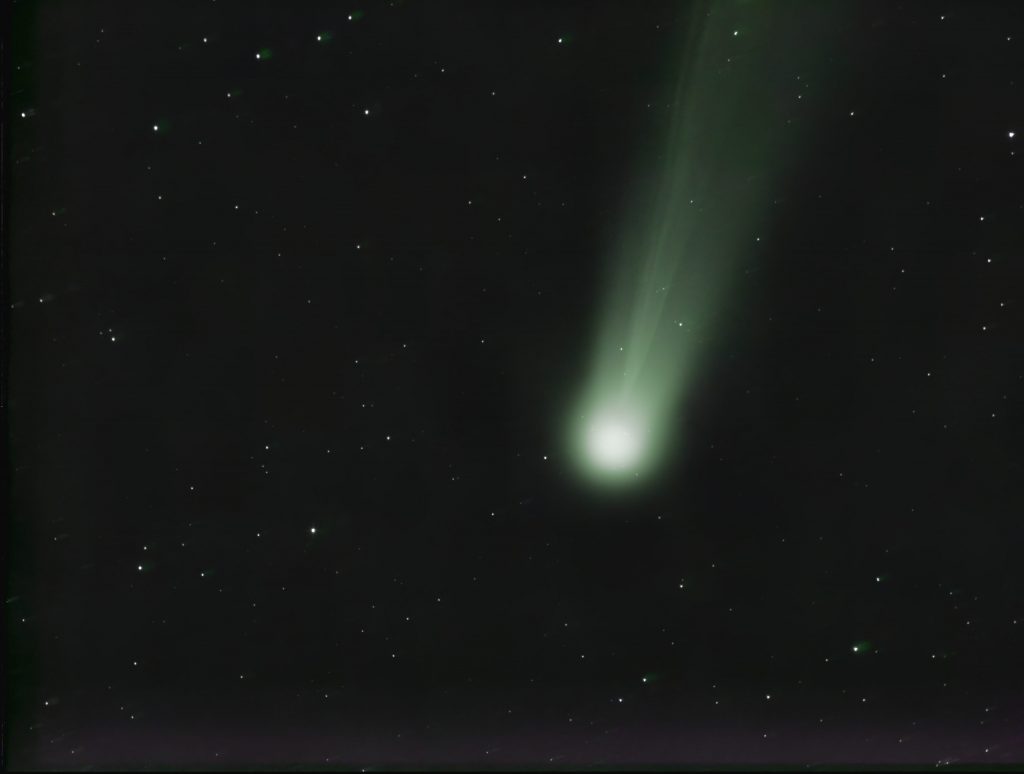
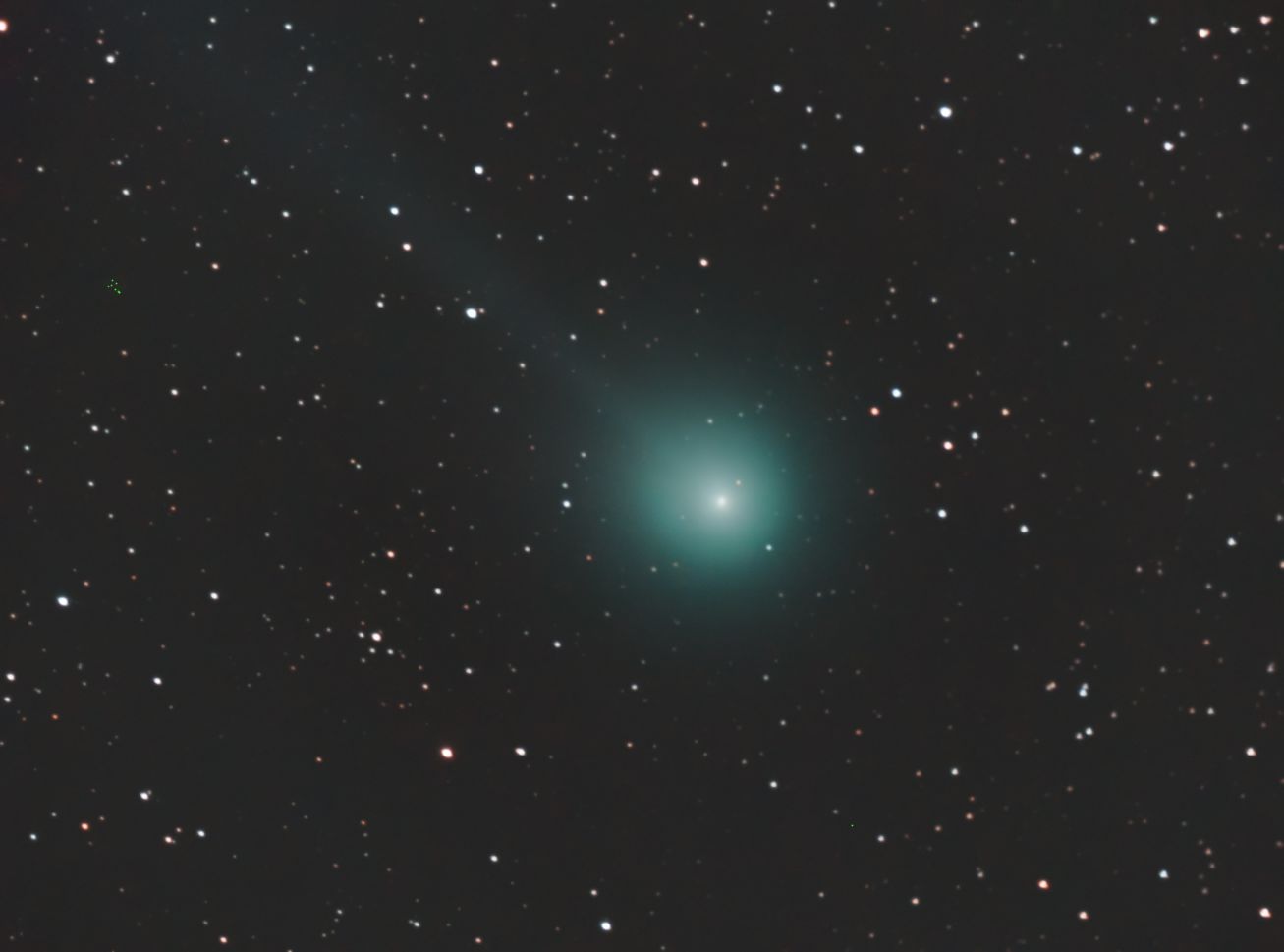
Comet C/2025 A6 Lemmon’s show is coming to an end, at least for observers in the northern hemisphere.
Having shone bright enough to be clearly visible to the naked eye in the evening sky during the last week of October 2025, when it gracefully approached and then passed above the bright star Arcturus, the comet is now sinking lower and lower in the west each evening.
Soon it will exit the northern sky and become more clearly visible from the southern hemisphere, but it is already well past its best and will now fade quickly as it heads away from the Sun, back into the deep dark, not to return again for over a thousand years…
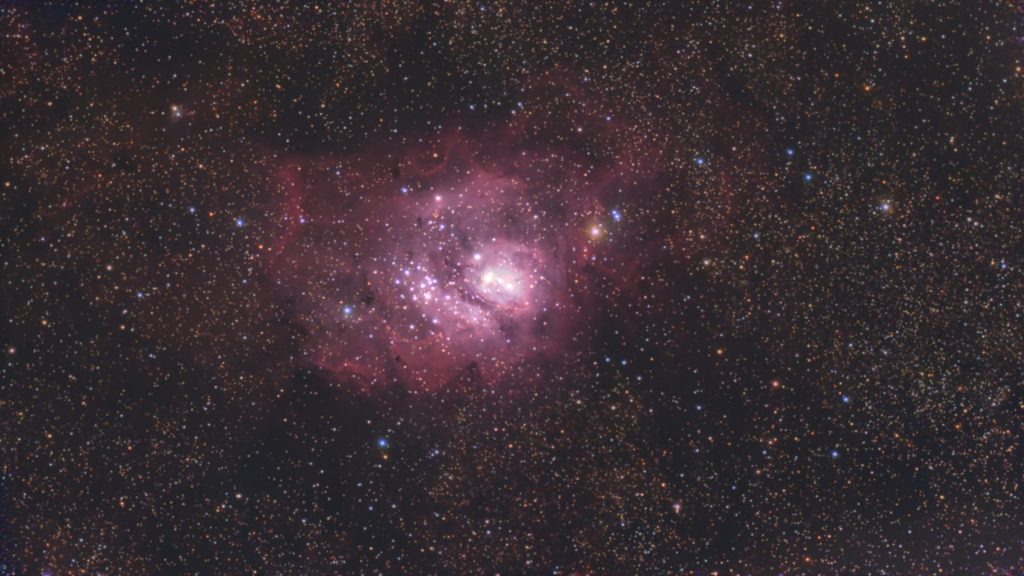
The Lagoon Nebula (catalogued as Messier 8 or M8, NGC 6523, Sharpless 25, RCW 146, and Gum 72) is a giant interstellar cloud in the constellation Sagittarius. It is classified as an emission nebula and as an H II region.. Within the nebula is the open cluster NGC 6530.
The Lagoon Nebula is estimated to be between 4,000–6,000 light-years away from the Earth.. with a dimension of 110 by 50 light years.